In recent years, emotional intelligence has become widely recognised as a vital foundation for lifelong success. While academic achievement remains important, research consistently shows that children who develop strong emotional awareness, empathy and resilience from an early age are better equipped to learn, build relationships and navigate challenges throughout their lives.
Prep schools play a particularly important role in nurturing emotional intelligence during the formative early years. Through carefully designed learning environments, strong pastoral care and an emphasis on the whole child, they help children develop the social and emotional skills that underpin both wellbeing and achievement.
What Is Emotional Intelligence — and Why Does It Matter?
Emotional intelligence refers to a child’s ability to recognise, understand and manage their own emotions, as well as respond appropriately to the emotions of others. In the early years, this includes skills such as:
- Identifying and expressing feelings
- Developing empathy and kindness
- Learning how to self-regulate emotions
- Building confidence and resilience
- Forming positive relationships
Children who develop emotional intelligence early are more likely to feel secure, engaged and motivated in school. These skills also support focus, communication and collaboration — all essential for effective learning.
A Holistic Approach to Early Education
One of the defining features of prep schools is their holistic approach to education. Rather than focusing solely on academic outcomes, prep schools aim to nurture confident, curious and emotionally secure children.
At Longacre, emotional development is woven into daily school life from the very beginning. Through a balance of structured learning, play, creativity and reflection, children are encouraged to understand themselves, relate to others and grow in confidence.
Small Class Sizes and Individual Attention
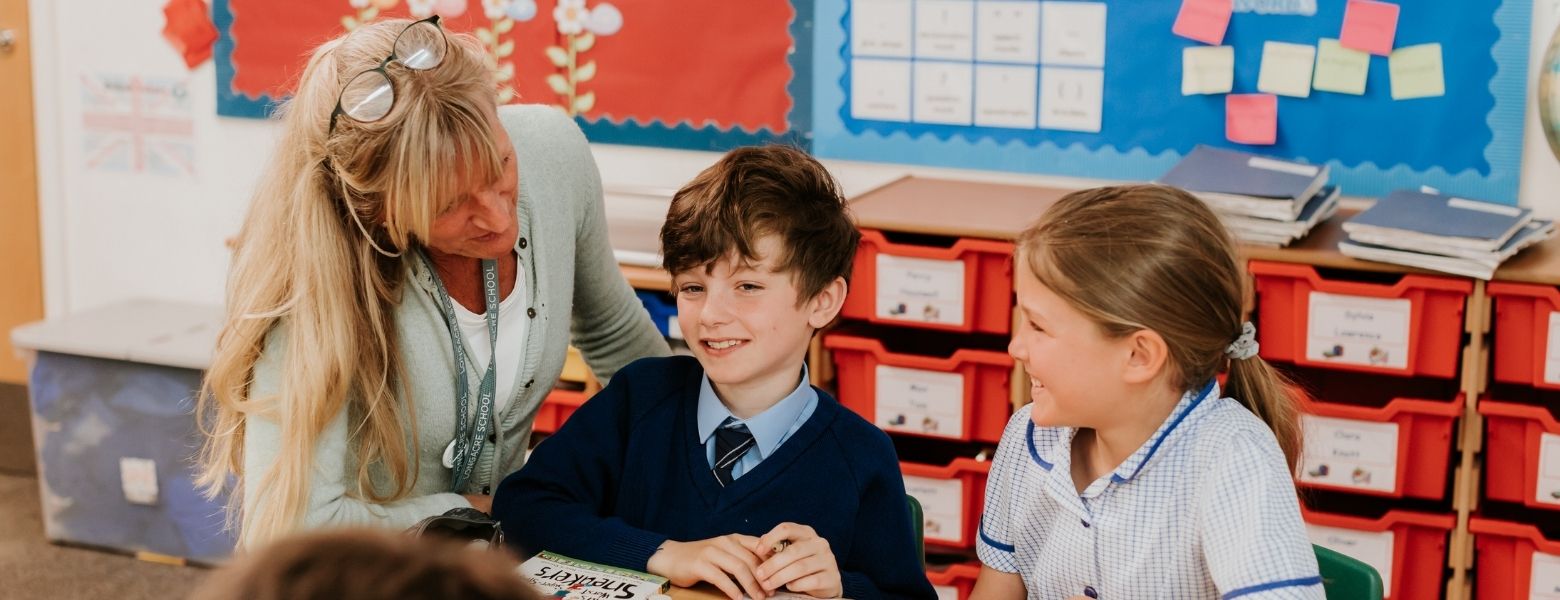
Small class sizes are a key factor in supporting emotional intelligence in young children. With fewer pupils, teachers are able to build strong relationships with each child, noticing emotional cues, offering reassurance and tailoring support where needed.
This personalised approach allows children to feel known and valued — an essential foundation for emotional wellbeing. It also enables staff to model positive emotional behaviours, guide conflict resolution gently and help children develop self-awareness in a supportive environment.
Pastoral Care at the Heart of School Life
Strong pastoral care is central to fostering emotional intelligence in the early years. Prep schools place great emphasis on creating a nurturing atmosphere where children feel safe, listened to and supported.
At Longacre, pastoral care is not a separate element of school life — it underpins everything. From daily check-ins to consistent routines and trusted adults, children are supported to express emotions, develop coping strategies and build resilience.
Learning Through Play and Exploration
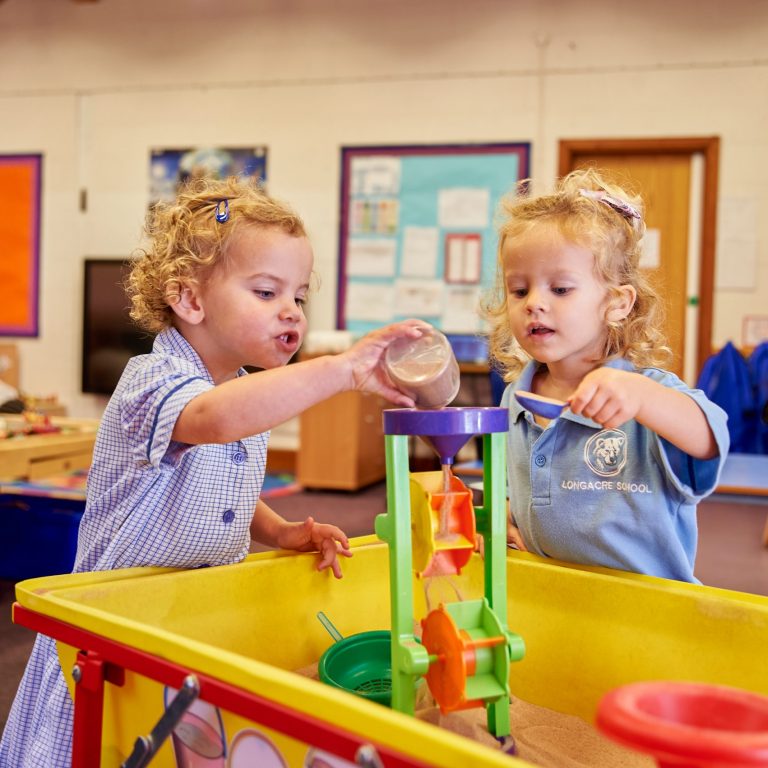
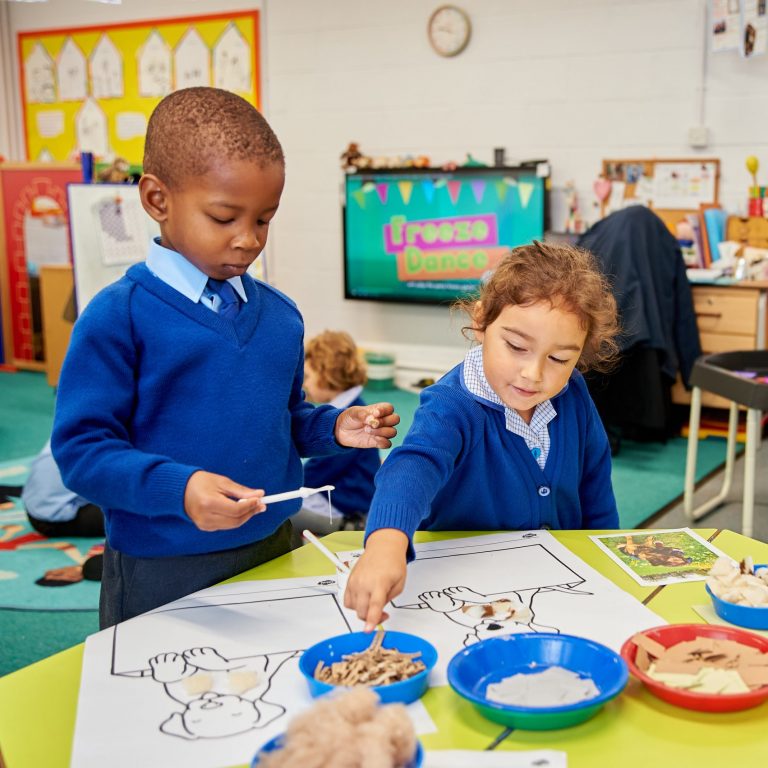
Play is a powerful tool for emotional development. Through imaginative play, collaborative activities and hands-on exploration, children learn to negotiate, share, take turns and understand different perspectives.
In the early years, prep schools often place a strong emphasis on learning through play, both indoors and outdoors. Activities such as role play, storytelling, construction and creative arts help children explore emotions in a natural and meaningful way.
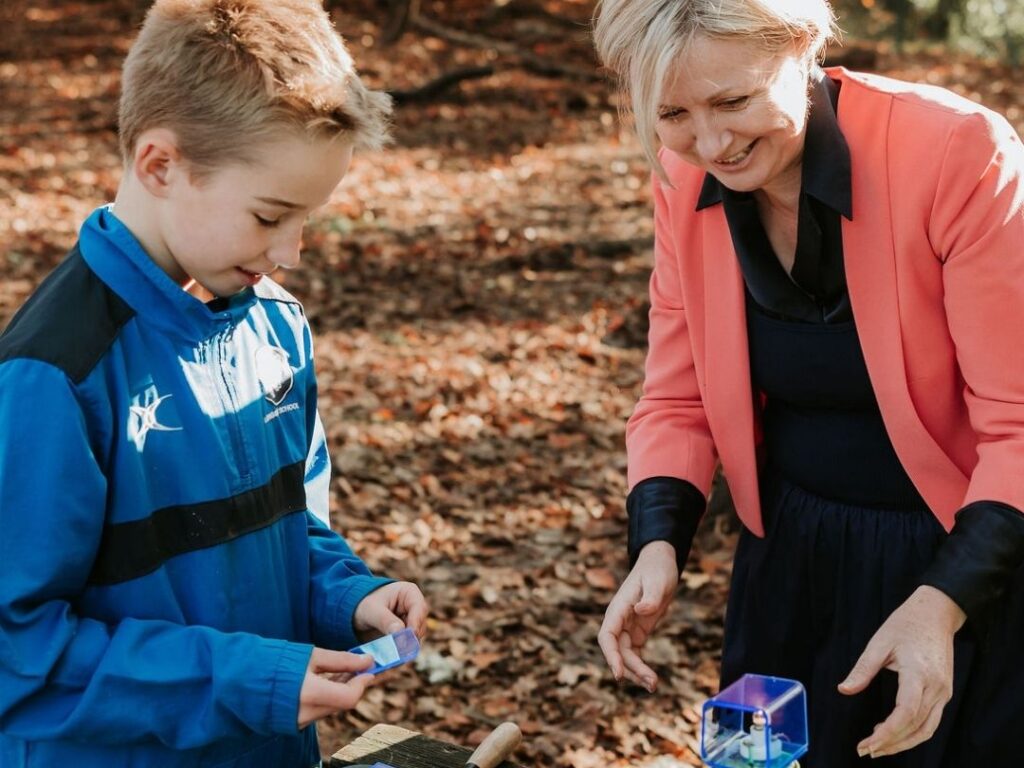
At Longacre, outdoor learning and Forest School experiences provide valuable opportunities for children to build independence, confidence and emotional resilience, while working together and supporting one another.
Teaching Emotional Literacy and Social Skills
Emotional intelligence develops most effectively when it is explicitly supported. Many prep schools integrate emotional literacy into the curriculum, helping children develop language to describe feelings and strategies to manage them.
Through stories, discussions, circle time and guided reflection, children learn about emotions such as happiness, frustration, disappointment and pride. They are encouraged to recognise these feelings in themselves and others, supporting empathy and understanding.
At Longacre, this approach is embedded through everyday interactions, age-appropriate discussions and clear expectations around kindness, respect and behaviour — helping children develop emotional awareness alongside academic learning.
Positive Relationships and Role Modelling
Children learn emotional intelligence not only through instruction, but through observation. Prep schools place great importance on positive role modelling from staff, encouraging respectful communication, empathy and emotional regulation.
Strong relationships between pupils of different ages also play an important role. Opportunities for collaboration, mentoring and shared activities help younger children learn from older role models, while developing confidence and leadership skills in older pupils.
These interactions support emotional growth across the school community, reinforcing a culture of kindness and mutual respect.
Preparing Children for the Future
Developing emotional intelligence in the early years lays the groundwork for future success — both academically and personally. Children who understand their emotions are better able to manage transitions, cope with challenges and approach learning with confidence.
Prep schools recognise that emotional wellbeing and academic progress are closely linked. By fostering emotional intelligence from a young age, they help children become resilient learners who are prepared not only for the next stage of education, but for life beyond the classroom.
Emotional Intelligence as a Foundation for Thriving
In today’s rapidly changing world, emotional intelligence is more important than ever. Prep schools, through their nurturing environments, strong pastoral care and holistic approach, are uniquely placed to support this development during the crucial early years.
At Longacre, emotional intelligence is not taught as a standalone skill — it is lived and experienced every day. By placing wellbeing, relationships and personal growth at the heart of education, children are supported to thrive academically, socially and emotionally.
Categories: News