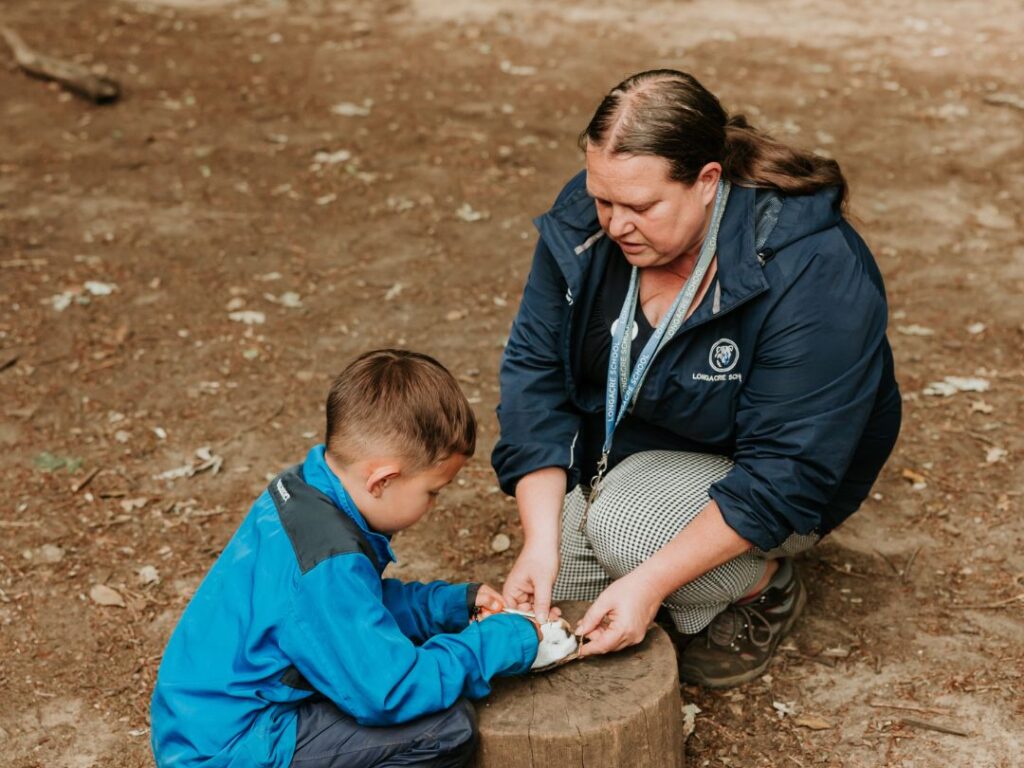
In recent years, Forest School has become an increasingly valued part of early childhood education. Rooted in outdoor, child-led learning, Forest School provides children with regular opportunities to explore, create and learn in natural environments. Research and experience consistently show that this approach plays a powerful role in supporting children’s physical, emotional, social and cognitive development during the crucial early years.
At schools such as Longacre, Forest School is not treated as an occasional enrichment activity, but as an integral part of the curriculum, allowing children to develop essential life skills alongside academic learning.
What Is Forest School?
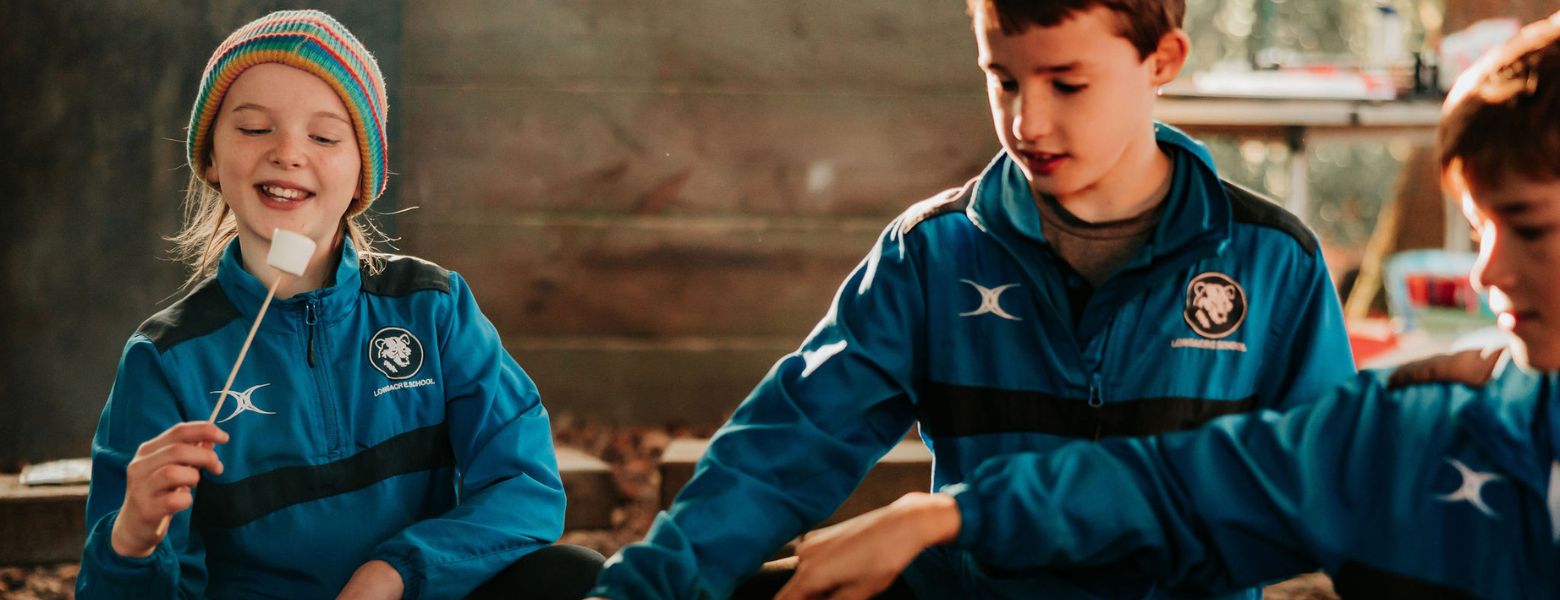
Forest School is an educational approach that takes learning outdoors, often into woodland or natural spaces. Sessions are typically led by trained practitioners and are designed to be child-centered, encouraging exploration, problem-solving and creativity through hands-on experiences.
Activities might include building shelters, exploring natural materials, storytelling, nature-based art, tool use (at an age-appropriate level), or imaginative play inspired by the environment. The emphasis is on the process rather than the outcome, helping children develop confidence and independence over time.
Supporting Emotional Development and Wellbeing
One of the most significant benefits of Forest School is its impact on children’s emotional wellbeing. Being outdoors, away from the structure of a traditional classroom, allows children to regulate their emotions more effectively and develop resilience.
Through Forest School experiences, children learn to:
- Manage risks and challenges in a supported environment
- Build confidence by trying new activities
- Develop perseverance when tasks don’t go to plan
- Experience a sense of calm and reduced stress
At Longacre, Forest School sessions are designed to help children feel secure, valued and capable, supporting emotional intelligence from a young age.
Encouraging Social Skills and Teamwork
Forest School naturally lends itself to collaboration. Children work together to build structures, solve problems and create shared imaginative worlds. These activities encourage communication, cooperation and empathy.
Younger children, in particular, benefit from learning how to:
- Take turns and listen to others
- Share ideas and resources
- Resolve disagreements positively
- Support their peers
By learning these skills in a natural setting, children often feel less pressure and are more willing to engage socially, strengthening friendships and confidence.
Building Physical Development and Motor Skills
Early childhood is a crucial time for physical development, and Forest School provides rich opportunities for movement and coordination. Uneven terrain, climbing, lifting and balancing all help children develop gross motor skills, while activities such as knot-tying, using tools or handling natural objects support fine motor development.
Regular outdoor learning helps children to:
- Improve balance, strength and coordination
- Develop spatial awareness
- Build stamina and physical confidence
At Longacre, Forest School sessions complement classroom learning by giving children space to move freely, challenge themselves physically and enjoy active learning in all weathers.
Fostering Curiosity and a Love of Learning
Forest School encourages children to ask questions, investigate their surroundings and follow their interests. Whether observing wildlife, exploring seasonal changes or experimenting with natural materials, children develop curiosity and a deeper understanding of the world around them.
This inquiry-led approach helps children to:
- Develop critical thinking skills
- Make connections between experiences and learning
- Build early scientific understanding
- Feel motivated and engaged in their learning
These experiences lay strong foundations for future learning, both academically and personally.
Developing Independence and Confidence
A key principle of Forest School is giving children appropriate levels of responsibility. Making choices, assessing risks and reflecting on experiences all help children develop independence.
Over time, children gain:
- Confidence in their own abilities
- A sense of achievement
- Greater self-awareness
- The ability to take initiative
At Longacre, Forest School is carefully structured to ensure children feel supported while being encouraged to take ownership of their learning and experiences.
Why Forest School Matters in the Early Years
Early childhood is a formative period when children develop attitudes towards learning, themselves and others. Forest School supports the whole child, nurturing emotional wellbeing, social skills, physical development and curiosity alongside academic foundations.
By embedding Forest School and outdoor learning into everyday school life, children are given the opportunity to grow into confident, resilient and engaged learners — skills that will benefit them well beyond the early years.
Categories: News